Rapid Diagnostic: Why Vehicles in Louisville Run Hot
Louisville’s humid subtropical climate pushes cabins to unsafe temperatures fast. High dew points trap heat, intensify solar gain, and stress AC systems on I‑64, I‑65, and neighborhood commutes. The result shows up as glare fatigue, fading upholstery, dashboard cracking, and weak AC performance during stop‑and‑go near Churchill Downs or gridlock by Waterfront Park. Mobile window tinting solves the root cause by blocking infrared (IR) heat and UV radiation at the glass, reducing thermal load before it hits the cabin.
Sun Tint brings shop-grade results to driveways and parking decks across Jefferson County. Mobile units deliver computer‑cut accuracy, nano‑ceramic film stability, and verified Kentucky tint law compliance. Installers start with a humidity-focused prep routine, then apply IR‑blocking films that keep Bluetooth, GPS, and toll readers stable because the films are non‑metallized.
Key Technical Gains That Matter on Louisville Streets
Heat rejection film with advanced nano‑ceramic particles cuts a large share of IR energy, which is the main source of heat soak through automotive glass. Quality ceramic tinting drops surface temperatures on door panels and dashboards, easing AC system strain and shortening cool‑down time after parking near the Louisville Slugger Museum or UofL. Films that block 99% of UV reduce leather drying and dye fade, a common issue in vehicles that sit daily along Poplar Level Road or in exposed East End lots (40245).
Ceramic and carbon tint options both reduce glare, but high-grade ceramic shows superior clarity, especially at dusk and on rain‑polished pavement that reflects headlights back into the cabin. Non‑metallized films preserve signal strength. That avoids the dead‑spot issues some drivers report with old metallic films between Clifton and St. Matthews where navigation cutouts are frustrating during short on‑ramp merges.
How Mobile Window Tinting Delivers Comfort Without the Shop Wait
Mobile window tinting Louisville KY clients book because it fits real schedules. Sun Tint arrives with a portable power source, a computer‑cut plotter profile set for the client’s engine code and trim, and a controlled process suited to Kentucky humidity. Films are cut to pattern on a computer‑cut plotter for factory‑fit edges, then installed with squeegee tools, heat gun finesse, and abrasion‑resistant top coatings to lock in clarity. A tint meter (VLT gauge) verifies Kentucky legal requirements, including the 35% VLT front window rule and the 3% variance. The installer applies the state‑certified label in the driver’s door jamb as proof of compliance.
The cabin stays usable during service at home in Prospect or at a workplace in NuLu. For high‑intent owners near Baptist Health Louisville or Valhalla Golf Club, the process avoids shuttle rides and waiting rooms. The film bonds through a pressure sensitive adhesive, then cures. In humid months, the cure time may extend slightly; hazing clears as micro‑moisture vents through the film’s structure. Technicians provide care steps based on that day’s dew point and temperature.
Humidity-Driven Failures: What Pros See, and How to Prevent Them
Louisville’s humidity challenges low-grade films and rushed installs. Blistering, edge lift, and contamination specks rise when prep ignores moisture control or when panels are cut by hand in windy conditions. Sun Tint’s mobile teams run a humidity-first prep: microfiber preparation cloths, panel seals inspection, dedicated door‑edge taping, and controlled heat gun passes that set adhesive without overheating the abrasion resistant coating. They also avoid metallic films that can behave unpredictably in damp cure cycles and can impair phone or GPS signals.
Another common failure is the “silvering” or micro-bubble haze that persists when installers trap moisture in cold or wet weather. The fix is correct squeegee stroke sequencing, panel warming, and patience on cure advice. Technicians explain the expected cure window—faster in dry 40202 downtown conditions, slower after storms in Fern Creek or Middletown. If a client washes the car too soon or lowers windows during the early cure, edges can scuff. The team leaves a written window‑down hold time to avoid that risk.
Comfort You Can Feel: Heat, Glare, and Privacy Improvements
Drivers across Old Louisville and the Highlands report that glare reduction is immediate. Headaches from low sun angles on Baxter Avenue ease once reflected intensity drops. At the same time, the cabin heat reduces during mid‑afternoon runs along 40223 and 40241 arterials. Sun Tint’s ceramic film cuts a major portion of IR heat; many cars show cabin temperature drops in the first 10 minutes of AC use, even after sitting at Waterfront Park under clear sun. The AC fan can run at a lower setting to achieve the same comfort, which reduces compressor cycling and noise.
Privacy is a secondary gain. Legally compliant visible light transmission (VLT) choices make it harder for passersby to see valuables at NuLu curbside spots or Germantown driveways. On top of that, modern films include a shatter‑resistant layer that helps hold glass fragments if a side window breaks, a practical safety layer for work trucks traveling between Jeffersontown and Shelbyville.
Brands That Hold Up in Kentucky Weather
Sun Tint works with major film manufacturers that maintain optical clarity and color stability in humid summers and cold snaps. Clients can request 3M (Obsidian, Crystalline), LLumar, Solar Gard, and SunTek for mass‑market value and performance. For premium clarity and IR blocking, the team installs V‑KOOL, Vista Window Film, and Madico. High‑end owners who invest in Ceramic Pro (KAVACA) paint protection film often pair it with ceramic tinting for complete exterior and interior defense.
The advice is candid: cheap dyed films fade and turn purple. On the Watterson Expressway, that color shift shows up as haze that makes mirror checks harder. Nano‑ceramic films maintain color neutrality and signal stability. Sun Tint lays out side‑by‑side meters and sample cards on site so clients can see color tone, VLT, and heat feel before authorizing work.
What Factory-Fit Really Means in a Mobile Install
The difference is in the prep and the plot. Computer‑cut patterns match door framelines, quarter glass curves, and the AS‑1 line on the windshield. A top strip (sun strip) is cut to the correct height for legal visibility, then dry‑fitted before final placement. Edges tuck below weather seals where design allows. Complex rear windows with deep curvature get pre‑shaped with a heat gun to avoid stress points. The abrasion resistant coating faces the cabin to reduce wipe marks during cleaning. The finished look is a tight factory‑fit finish, not a visible overlay.
Because Sun Tint has served Louisville since 1986, the database of vehicle profiles—new and classic—helps avoid surprises. That archive matters for rare trims in Prospect estates or older SUVs in Clifton. For frames that use felted seals that can shed fibers, the installer masks and vacuums those channels to avoid contamination specks under the film.
Local Roads, Local Laws: Staying Legal in Kentucky
Kentucky requires 35% VLT on front side windows, with a 3% variance. Rear windows can be darker depending on vehicle type. The installer confirms the target VLT with a tint meter both before and after film application. Sedans, SUVs, and trucks vary, so the installer clarifies body class and rear glass rules at the start. Every job finishes with the Kentucky state-certified sticker in the door jamb. That label matters during inspections in Jefferson County and helps with cross‑river trips into Southern Indiana—New Albany and Jeffersonville—where officers may look for quick proof.
For clients who commute to Frankfort or Lexington, or who run frequent drives to Elizabethtown or Mount Washington, the guidance stays the same: keep documentation in the glove box and know the front VLT value. Sun Tint provides a printed spec sheet that lists the film series, nominal VLT, IR rejection rating, and warranty. That keeps conversations easy during service checks or windshield replacements.
Mobile Coverage: From Downtown Towers to East End Driveways
Mobile crews serve high‑rises in 40202 and homes throughout 40205, 40213, 40218, 40223, 40241, 40245, 40291, and 40299. Appointments in St. Matthews and Middletown often run during work hours, while Prospect and the East End prefer early morning slots to catch lower humidity. Old Louisville’s historic block parking can be tight; technicians coordinate staging near side streets. NuLu business owners book midday installs behind shops, while Germantown and Clifton residents often use garage bays for stable airflow. The team also schedules Southern Indiana requests in New Albany and Jeffersonville, grouped by day to maintain on‑time windows.
Location notes are practical. Waterfront Park and UofL areas can funnel wind; techs angle vehicles to shield film from airborne debris. Near Churchill Downs, event days create dust and traffic; the office may suggest alternate times. The goal stays the same: shop‑quality results, delivered where the client is.
Ceramic, Carbon, or Dyed: Choosing the Right Film for Louisville Climate
Dyed films handle glare but tend to fade. Carbon films offer better heat rejection with deeper charcoal tone, reliable color stability, and no metal. Ceramic films, with nano‑ceramic particles, deliver the strongest IR blocking and maintain clear visibility in rain and at dusk. In Louisville’s heat and humidity, ceramic is the default recommendation for drivers who park outside or who run family vehicles that hold car seats and pets. For ride‑share operators near Downtown and NuLu, ceramic reduces customer complaints about heat and glare, which can mean fewer AC‑induced idle revs during long pickups.
Window by window, installers set VLT based on driver comfort and legal bounds: lighter front windows for night visibility and enforcement clarity, slightly darker rears for cabin privacy and cooler second rows. Windshield top strips use the AS‑1 line reference. If a client requests a full windshield IR film, the team reviews legal limits and offers a clear, high‑IR windshield film where permissible. That path protects against eye strain on long I‑71 drives from Prospect without changing transparency beyond allowed thresholds.
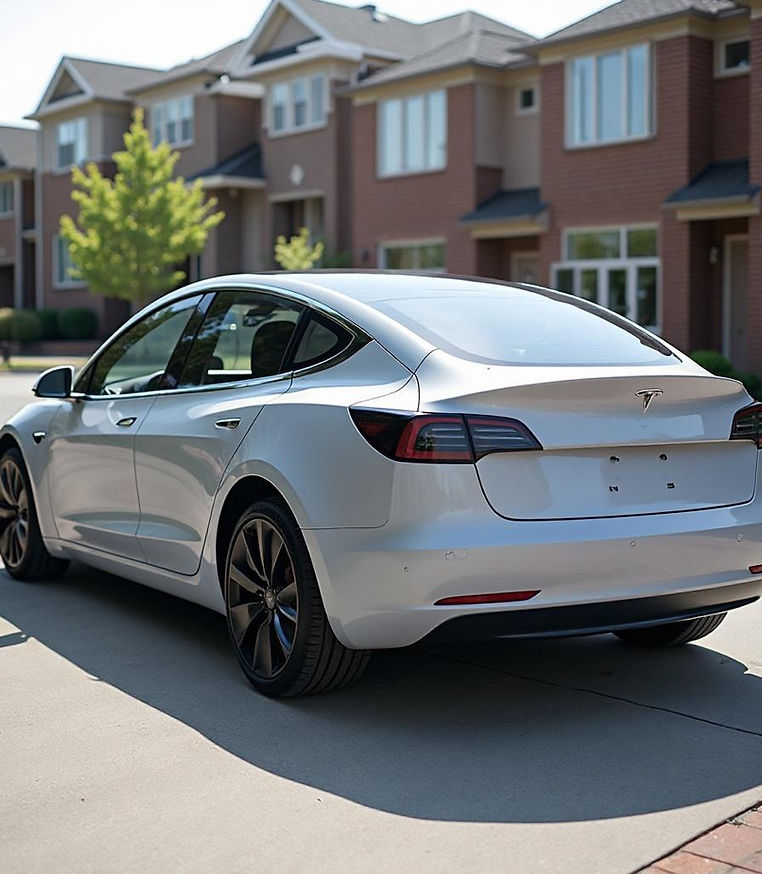
What the Process Looks Like at Home or Work
Set up takes minutes. The technician confirms VLT choices and brand—V‑KOOL, Vista, Madico, or a preferred 3M, LLumar, Solar Gard, or SunTek series—then scans glass for defects. Microfiber preparation cloths lift dust. Gaskets and seals get protected. Patterns are computer‑cut and test‑fit. The film is slid into place with a slip solution, then squeegeed in a set stroke sequence to push water and air out. Edges are set, trimmed, and sealed. A heat gun gently cures corners and complex curves.
The installer runs a tint meter to verify the result. The state label goes onto the door jamb. Care notes go over window‑down timing and first clean date. In sticky July days, they might add a longer no‑clean window to avoid streaks while the pressure sensitive adhesive finishes bonding. Clients receive a lifetime warranty on labor and materials for covered defects such as bubbling, peeling, or adhesive failure.
Why Mobile Beats the Shop for Busy Schedules
Squeezing a shop visit into the day is hard for Downtown staff and contractors running between Jefferson County jobsites. Mobile service cuts that friction. Fleet owners in 40218 and 40299 keep vans on site for staggered installs, which reduces downtime and keeps routes active. East End residents in 40245 appreciate early starts that wrap before school runs. The net effect is clear: less time lost, cooler cabins, and better visibility on return commutes along Brownsboro Road and Shelbyville Road.
Solar Heat Gain and AC Strain: Real Numbers Drivers Notice
In Louisville summers, cabin surfaces can exceed 150°F after short exposure. Ceramic films that reject a large share of IR can bring door panel touch temps down enough that steering wheels and buckles stop feeling hazardous. While numbers vary by film and vehicle, many drivers report the AC fan can step down one to two speeds to hold the same comfort level during midday commutes. That drop matters in congested Old Louisville or St. Matthews corridors where idling keeps compressor cycles high and fuel trim reactive.
Edge Cases: Trucks, SUVs, Classics, and High-Tech Rides
Pickups with aftermarket glass can carry different coatings; a quick tint meter reading sets expectations. SUVs with privacy glass at the rear already look dark; installers measure real VLT before adding film to avoid slipping below the legal threshold on fronts. Classic cars often need custom cuts where plotter databases thin out. For luxury vehicles with ADAS sensors near mirror housings, installers mask sensors during work and avoid soaking connectors. Non‑metallized ceramics keep adaptive cruise, blind‑spot detection, and Bluetooth clean.
Paint Protection Film and Tint: A Combined Shield
Clients who commute along I‑265 and I‑71 pair ceramic tint with paint protection film (PPF) for bumpers, hoods, and mirrors. Ceramic Pro (KAVACA) and other PPF lines help prevent chips from construction debris and salt. Combined with IR‑blocking tint, the vehicle resists both exterior abrasion and interior UV fade. Sun Tint stages mobile PPF installs where space and lighting allow; if conditions are unsuitable, they coordinate at the Poplar Level Road shop for tight‑tolerance panels.
Service Quality Signals That Matter
Sun Tint has served Louisville since 1986. Every mobile job includes a lifetime warranty on film and labor for covered defects, the Kentucky state‑certified label, and a factory‑fit finish verified by computer‑cut plotting. Clients get free estimates, with same‑day mobile car tinting where the schedule permits. The team follows Kentucky tint law compliance standards and documents VLT on a handoff sheet so owners can reference values during inspection or glass replacement.
Where Mobile Window Tinting Makes the Biggest Day-to-Day Difference
Prospect and St. Matthews drivers with luxury sedans benefit from high‑clarity ceramics like V‑KOOL for long highway runs to Lexington. Highlands and Germantown residents who park on street benefit from privacy and UV control, which reduces interior fade on leather and fabric. East End families in 40245 reduce back‑seat glare for children and curb AC surges on after‑school pickups. Downtown parkers near the Muhammad Ali Center or Waterfront Park reduce cabin heat that builds during lunch hours, making short drives back to meetings more comfortable.
Care, Maintenance, and What to Do If Something Looks Off
During the first week, avoid lowering windows and hold off on cleaning. Moisture may create a mild haze that clears as adhesives settle. Use ammonia‑free cleaners and soft microfiber cloths. Avoid sharp tools and abrasive wipes that can scratch the abrasion resistant coating. If an edge lifts due to early window operation, call promptly. The team can reset the edge if addressed early; waiting risks dust intrusion. If a film appears lighter or darker than expected, the installer can meter it and compare with the spec to confirm compliance.
Checklist: Is It Time for Mobile Tint?
- Cabin feels stifling within minutes, even with AC on medium.
- Glare makes evening drives along River Road or Bardstown Road tiring.
- Leather bolsters show early fade or dash tops look chalky.
- GPS or Bluetooth has struggled with older metallic films.
- Work has no time for shop visits; on‑site service solves the schedule.
Why Mobile Window Tinting Louisville KY Searches Lead to Sun Tint
The search term points to installers who can meet clients where they are in Louisville and Jefferson County while delivering high‑end films and clean legal compliance. Sun Tint’s mobile program focuses on ceramic tinting, UV protection, and IR blocking that stands up to Kentucky humidity. From quick stops in 40202 to quiet mornings in 40245, the crews show up with the right tools, measure VLT with a tint meter, and finish with a factory‑fit edge and a documented warranty.
Frequently Asked Technical Questions
Will ceramic film affect phone signals? Non‑metallized ceramic films used by Sun Tint do not block GPS, Bluetooth, or toll readers.
How dark can the front windows be in Kentucky? The rule is 35% VLT on front side windows with a 3% variance. The installer verifies with a tint meter and applies the certified label in the door jamb.
Does humidity change the cure time? Yes. Louisville humidity can extend cure windows by a few days. The film remains usable; mild haze clears as moisture vents.
Which brands hold color the best? V‑KOOL, Vista, Madico, 3M Crystalline, LLumar, Solar Gard, and SunTek all maintain color stability when installed and cared for properly. Cheap dyed films fade faster.
Is windshield tint legal? A top strip at or above the AS‑1 line is common. For full windshield IR films, the installer reviews legal limits and offers compliant clear options.
Neighborhood Notes and Scheduling Windows
Highlands (40205) and East End (40245) residents often target early slots for lower humidity. St. Matthews and Middletown prefer midday garage installs to avoid pollen drifts. Old Louisville needs block‑by‑block staging; the office confirms access. Clifton driveways benefit from wind shielding with vehicle positioning. Near Churchill Downs, avoid race days to reduce dust and traffic surges. Across Southern Indiana, grouped routes in Jeffersonville and New Albany keep arrival times sharp.
From Symptom to Solution: A Short Story from 40223
A family in 40223 noticed the second row was hotter than the front despite a healthy AC system. Leather on the passenger bolster had started to fade, and the kids complained about glare during afternoon pickups from school near St. Matthews. A Sun Tint mobile tech met them at home, demonstrated heat differences with a handheld IR lamp and sample cards, then installed a ceramic series matched for legal front VLT and darker rears for privacy. The next week, the driver reported faster cool‑downs, quieter fan speeds, and no more squinting at stoplights along Shelbyville Road.
Next Steps: Book a Mobile Estimate That Fits Your Day
Sun Tint provides free estimates with film recommendations and clear VLT guidance. Same‑day mobile car tinting is available on select routes. Every installation includes a lifetime warranty and the Kentucky‑certified door jamb label. Clients choose from V‑KOOL, Vista, Madico, 3M, LLumar, Solar Gard, and SunTek, with options that prioritize IR rejection and signal clarity.
- Call or request a Free Mobile Tint Quote for Louisville and Jefferson County service.
- Ask for ceramic film options with high IR blocking for humidity control.
- Confirm Kentucky tint law compliance and request a copy of your VLT specs.
Whether parked near the Muhammad Ali Center, pulling into Clifton after work, or starting a morning in Prospect, the right film turns a hot cabin into a calm space. Mobile window tinting Louisville KY drivers count on is simple: Sun Tint arrives, measures, installs, and leaves the car cooler, clearer, and compliant.
https://sun-tint-louisville-ky.b-cdn.net/mobile-window-tinting/mobile-window-tinting.html
Sun Tint
4511 Poplar Level Rd, Louisville, KY 40213, United States
Phone: +1 502-254-0001
Products and Services: sun-tint.com
Map: View on Google Maps
Hours:
- Wednesday: 7am–8pm
- Thursday: 7am–8pm
- Friday: 7am–8pm
- Saturday: 7am–8pm
- Sunday: 7am–8pm
- Monday: 7am–8pm
- Tuesday: 7am–8pm